
The Myth of Luck in Casino Games
The allure of luck is one of the primary reasons individuals are drawn to gambling. Many players believe that luck plays a significant role in determining the outcome of games, whether it be card games like poker or games of chance like slot machines. This myth perpetuates the idea that outcomes can be influenced by sheer fate rather than skill or strategy. In reality, while luck can certainly play a part in the short term, most games, including online casino australia real money , are governed by odds and probabilities that players can learn to navigate.
For instance, in games like blackjack, players who understand basic strategy can significantly increase their chances of winning. By making informed decisions, such as when to hit or stand based on the dealer’s visible card, players can reduce the house edge. This demonstrates that luck is not the sole determinant of success, but rather a combination of skill, knowledge, and understanding of game mechanics. Players who take the time to learn these strategies often find themselves enjoying a more successful gambling experience.
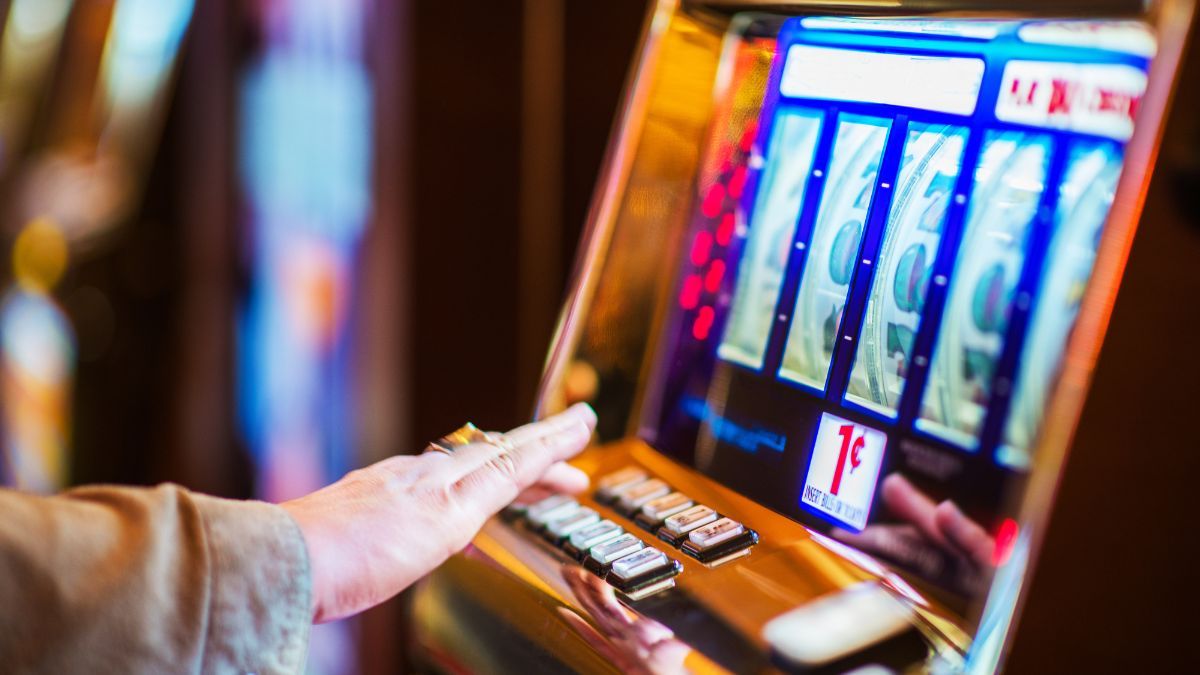
Moreover, slot machines often come equipped with random number generators that ensure outcomes are entirely random. Players often cling to the hope that pressing the button at a certain moment will somehow influence the outcome. However, this belief is more about psychological comfort than reality. Understanding the mechanics behind these games can help players appreciate that luck is just one piece of a much larger puzzle. Recognizing the role of probability can lead players to make more informed decisions, thereby enhancing their overall gambling experience.
Superstitions and Their Impact on Gambling
Gambling is often accompanied by various superstitions that players adopt in hopes of improving their luck. From wearing lucky clothing to avoiding certain numbers, these beliefs reflect a deeply ingrained need for control in an uncertain environment. For example, many gamblers believe that wearing a specific item or following a particular ritual can sway fortune in their favor, despite the situation being entirely random. This intertwining of superstition and gambling can lead to detrimental effects on a player’s decision-making process, often clouding their judgment.
Superstitions can lead players to make irrational choices based simply on a belief rather than logical reasoning. For instance, a player might refuse to bet on a number they consider unlucky or spend hours finding the perfect seat at a gaming table under the false assumption that it will influence the outcome. This behavior can result in increased losses and missed opportunities, as players are swayed by luck-related beliefs rather than a focus on strategy or statistical probabilities. Over time, this reliance on superstition can hinder a player’s ability to enjoy games for their entertainment value.
Gamblers may also find solace in these superstitions, as they provide a sense of control. However, this reliance can become problematic, especially for those prone to gambling addiction. The belief that a lucky charm can change their fortune might lead them to gamble in hopes of recapturing their perceived luck, often leading to escalating losses. Recognizing and addressing these superstitions is essential for fostering a more rational approach to gambling. Emphasizing an understanding of the randomness of outcomes can help mitigate the adverse effects of these beliefs.
The Role of Skill in Gambling
While many people perceive gambling as purely a game of chance, the truth is that skill plays a critical role in many forms of gambling. Card games like poker showcase this point remarkably well. Players who master the game not only understand the rules but also possess the ability to read opponents, manage their bankroll, and make calculated decisions. Such skills can provide a significant edge over less experienced players who rely solely on luck. The contrast between a skilled player and a novice can often be stark, showcasing the importance of knowledge in gambling.
Additionally, games such as sports betting require a depth of knowledge and analysis. Successful sports bettors often combine statistical data, historical performance, and current trends to make informed wagers. This level of skill and understanding allows them to identify value bets that others may overlook, underscoring that skill can significantly alter the odds in their favor. It is in these scenarios that the difference between a novice and a seasoned player becomes evident, highlighting the necessity of education in gambling practices.
Even in seemingly random games like roulette, players who study betting strategies can potentially increase their chances of success. Understanding the different types of bets and their respective payouts can illuminate paths to more informed decisions. In conclusion, while luck may play a role, developing skills and strategies is crucial for any serious gambler looking to maximize their potential for success at the tables. This knowledge empowers players to approach gambling with confidence and a clearer understanding of how to navigate the odds.
The House Edge and Myths of Winning
Most players are often unaware of the concept of the house edge, which is the built-in advantage that casinos have over players in various games. This edge varies from game to game, but it consistently ensures that, over time, the casino will profit. Many gamblers cling to the illusion of a «winning streak,» erroneously believing that they can overcome the house edge through luck alone. It is essential for players to understand that, in the long term, the odds are always in favor of the house. This awareness can help shape more realistic expectations of their gambling experiences.
For instance, a classic game like roulette has a house edge that varies depending on the type of roulette being played—American or European. Players who are unaware of these details may believe they can consistently win, leading to misguided strategies. This is exacerbated by the romanticized narratives often portrayed in movies and media, which glorify the idea that with enough «luck,» anyone can beat the house. Unfortunately, this rarely reflects reality, as the house edge is designed to ensure profitability for the casino in the long run.
Gambling is inherently high-risk, and understanding the house edge is crucial for responsible gambling. Effective bankroll management, knowing when to walk away, and recognizing the limits of luck are all fundamental principles in mitigating losses. By debunking the myth of winning through sheer luck and emphasizing the reality of the house edge, players can create more sustainable gambling experiences and avoid the pitfalls of unrealistic expectations. This knowledge can empower players to make smarter choices, enhancing their overall enjoyment and reducing the likelihood of substantial losses.
Understanding Responsible Gambling
As the myths surrounding luck and gambling become unmasked, it is important to foster a culture of responsible gambling. Understanding one’s limits, recognizing the odds of the games, and being educated on the role of skill versus luck are all components that promote a healthier gambling environment. Players should approach gambling as a form of entertainment rather than a way to earn money, which may lead to impulsive decisions and emotional distress. This shift in mindset is crucial for enjoying gambling responsibly.
Responsible gambling also includes being aware of the psychological impacts of gambling. Knowing when to stop, setting limits, and seeking help if gambling becomes compulsive are vital steps. Education on these aspects helps combat the myths of luck, urging players to make informed decisions rather than relying on chance. Establishing a support system or utilizing resources designed to promote safer gambling habits can further enhance an individual’s experience, making it more enjoyable and sustainable over time.
By advocating for responsible gambling practices, players can enjoy their experience without falling into the trap of unrealistic expectations. Emphasizing education and awareness leads to a more informed gambling community, where knowledge prevails over myth. Ultimately, recognizing that gambling should be fun and that luck is only one factor among many contributes to a healthier perspective on gaming. This approach not only enhances personal enjoyment but also encourages a more responsible gambling culture among players.