
The Illusion of Winning Hands
Many people believe that mastering card counting and other strategies can guarantee victory in games like blackjack. While card counting is a legitimate tactic employed by seasoned players, it is not foolproof. Casinos are acutely aware of this technique and have implemented numerous countermeasures to make its execution challenging. Ultimately, the outcomes of card games hinge largely on chance, and no amount of skill can alter the inherent odds that govern these games, especially when considering the prevailing betting sites australia that influence player decisions. Players often overlook that the house edge is a fundamental aspect of casino operations.
Moreover, the notion that certain hands or plays are ‘lucky’ fosters a deceptive sense of control in a game that is fundamentally random. Players often recall a specific instance when a particular combination resulted in a win, mistakenly correlating their success with that specific hand. In reality, the outcomes are dictated by complex mathematical probabilities, meaning that no single hand can significantly change the likelihood of future results. Understanding the statistical principles behind these games can shed light on why such beliefs are mere myths, emphasizing the importance of viewing gambling through a more informed lens.
This misconception also extends to slot machines, where players frequently think that hitting a jackpot is merely a matter of luck or timing. Many hold the belief that if a machine hasn’t paid out in a while, it is ‘due’ for a win. However, slots operate on random number generators, ensuring that each spin is independent of the last. Consequently, previous results have no bearing on future outcomes, debunking the idea that players can forecast wins based on past performance. This myth can lead to unrealistic expectations and ultimately disappointment.
The Myth of Winning Systems
Another widespread myth in casino gambling is the existence of a «winning system» that guarantees consistent profits. Many gamblers find themselves enticed by systems that promise to tilt the odds in their favor, ranging from complex betting strategies to software tools that claim to enhance outcomes. However, these systems often ignore the fundamental nature of chance-based games. The mathematical edge casinos maintain means that, over time, players generally lose more than they win. This can create a false sense of security, luring players into a false belief of control over outcomes.
For instance, consider the Martingale betting strategy, which involves doubling bets after losses. While this may work in the short term, players can quickly reach table limits or exhaust their funds during extended losing streaks. The allure of a winning system can be captivating, but the reality remains that no strategy can alter the basic principles of probability that dictate the outcomes of these games. This highlights the importance of skepticism when encountering claims of guaranteed success.
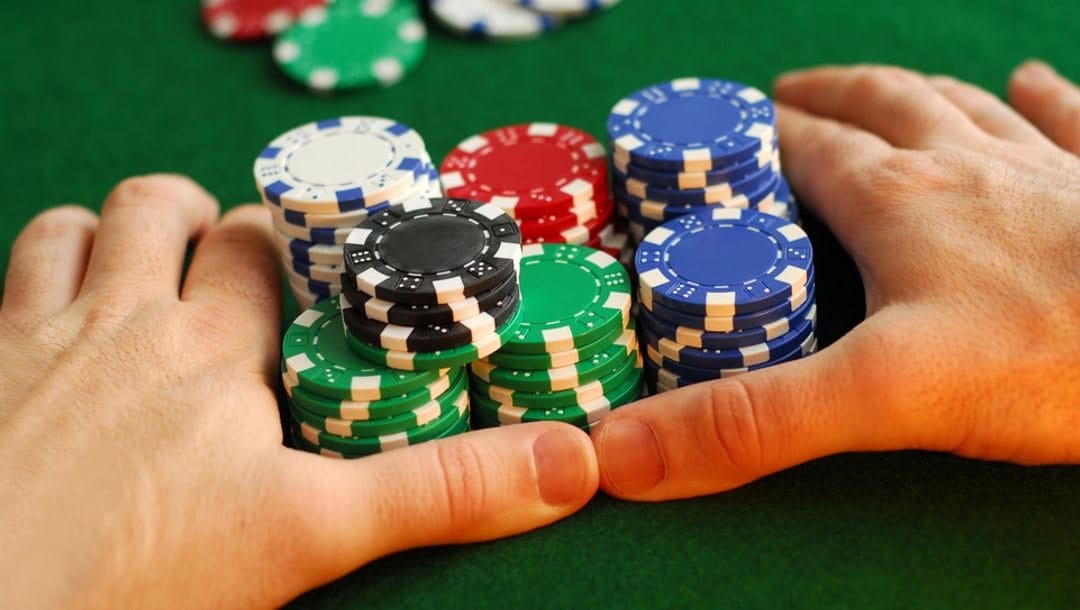
Moreover, the promotion of these systems can lead to gambling addiction, as players cling to the hope of eventual success. As a result, these myths not only mislead players but can also have detrimental effects on their finances and mental health. Awareness and education about the true nature of gambling can empower individuals to make informed choices, diminishing reliance on these flawed systems. Emphasizing responsible gambling practices is crucial in combating the allure of such deceptive strategies.
The Role of Luck versus Skill
The debate between luck and skill is a central theme in casino games. Many believe that games like poker and blackjack are heavily skill-based, while others view games like roulette and slots as purely luck-driven. While skill undeniably plays a significant role in games where strategic decisions can influence outcomes, luck remains the underlying factor that governs all casino experiences. This creates a misunderstanding about the balance between these two elements in gameplay, leading to skewed perceptions of success in gambling.
Take poker, for example: while the skill of bluffing and reading opponents can elevate a player’s odds, luck also plays a crucial role. A single poorly timed card draw can drastically shift the outcome of a game, illustrating that no player can control every variable. Similarly, in blackjack, even the most refined strategies cannot eliminate the house edge, which is a direct consequence of luck’s influence on the game. This interplay illustrates that both elements are crucial, yet often misrepresented in popular discussions.
This myth may skew perceptions regarding the definition of a ‘good’ player versus a ‘lucky’ one. Many novice players might underestimate the strategic nuances present in skill-based games, believing their successes are merely coincidental. Understanding the interplay between luck and skill can enhance one’s appreciation of these games, fostering a more realistic and healthier approach to gambling overall. Recognizing the role of variance can also help mitigate the emotional rollercoaster associated with gambling experiences.
The Misconception of Free Drinks and Entertainment
Casinos often entice patrons with the allure of free drinks and entertainment, giving rise to the myth that these offerings are genuinely intended to enhance the gaming experience. In truth, these perks are strategically designed to benefit casinos. By providing complimentary beverages and entertainment, casinos aim to keep players on the gaming floor for longer periods, thereby increasing their potential losses. This tactic exploits the common belief that free offerings indicate a player-friendly environment, masking the underlying business motivation for these incentives.
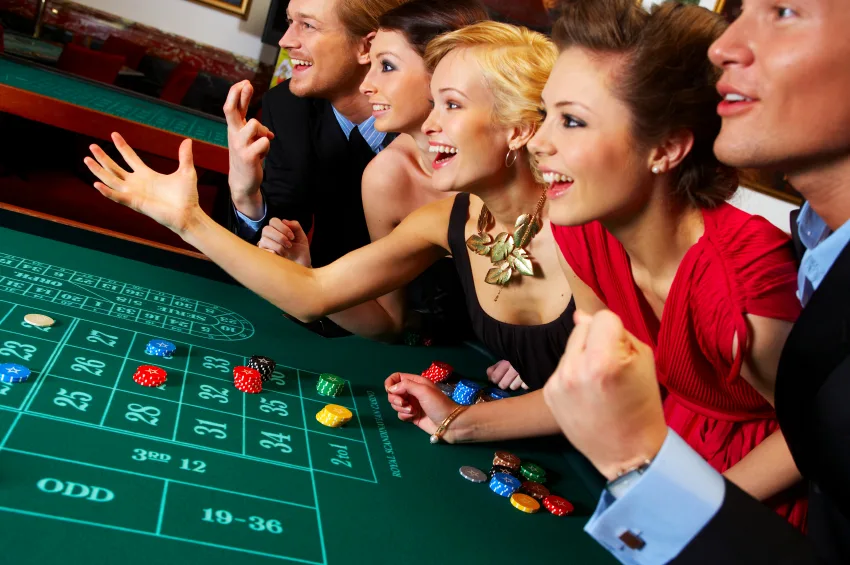
Furthermore, the consumption of alcohol can impair judgment, leading players to make unwise betting decisions. This only exacerbates the casino’s advantage, as intoxicated players may abandon sound strategies or lose track of their spending. The façade of generosity is accompanied by hidden costs, underscoring the importance of maintaining awareness of one’s choices while gambling. Responsible drinking and self-control are vital components of staying in the game without falling prey to the casino’s manipulative tactics.
Entertainment shows and events within casinos are similarly designed to draw in patrons. While enjoying a concert or performance, players may be more inclined to gamble, viewing it as part of a comprehensive entertainment package. However, it is essential for players to recognize that these experiences primarily serve to enhance the casino’s profitability rather than their own enjoyment or success in the games. This understanding can empower players to make better choices about their time and money spent within the casino environment.
Understanding Casino Culture and Responsible Gambling
To navigate through the myriad of myths surrounding casino gambling, it is vital for players to foster an understanding of responsible gambling practices. Casinos thrive on the thrill of excitement and the allure of winning, but players must also grasp the significance of setting limits. Establishing a budget before entering a casino can help mitigate losses and ensure that gambling remains a source of entertainment rather than a financial burden. This proactive approach is essential in maintaining a healthy relationship with gambling.
Engaging with casino culture can provide valuable insights into the social dimensions of gambling. Many players appreciate the camaraderie that can develop at tables and slots, enhancing their overall experience. Nonetheless, it’s crucial to engage in this culture without losing sight of personal limits. Recognizing when to walk away, regardless of the atmosphere, is a hallmark of responsible gambling. This balance can lead to more enjoyable gambling experiences that prioritize fun over financial success.
For those looking to delve deeper into the world of casinos, numerous online platforms offer resources that demystify gambling practices while promoting safer gaming environments. By utilizing these tools, players can make informed decisions that prioritize enjoyment over financial risk. Ultimately, embracing a responsible attitude towards gambling can transform the casino experience into a more positive and sustainable activity for individuals and communities alike. Education and awareness are key in combating the myths that often cloud the perception of gambling.